Emu

YOU ARE IN: Home Page > WILDLIFE > Emu

Emu

Click a thumbnail to see a slideshow


COMMON NAME: Emu
LATIN NAME: Dromaius novaehollandiae
FOOD: Leaves, grassed, fruits, native plants & insects.
HABITAT:
Dry plains, tropical woodlands, snowfields, scrub, heath – avoids thickly forested regions
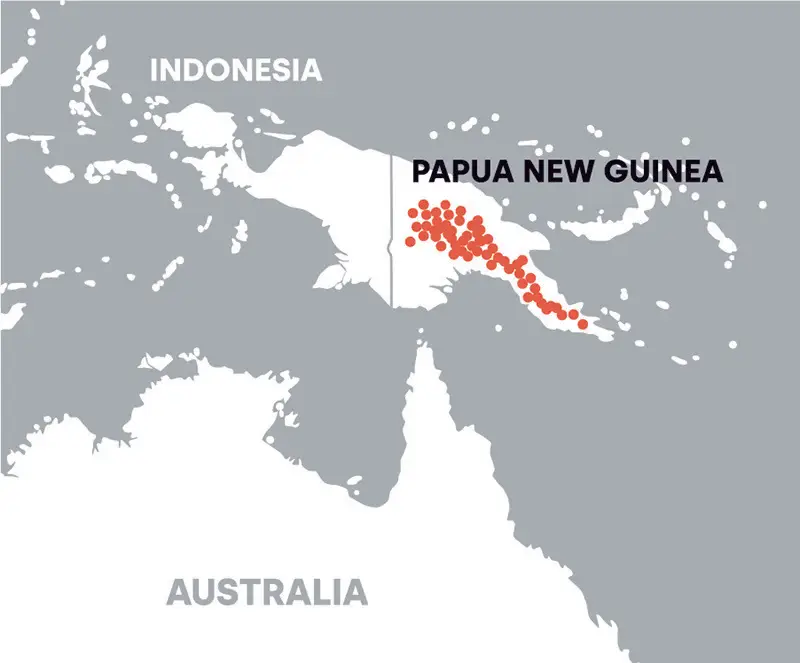
LOCALITY: Qld, NSW, Vic, SA, WA, NT.
WEIGHT: 30 - 45kg
HEIGHT: Reaches 1.6-1.9m when standing erect.
BEHAVIOUR:

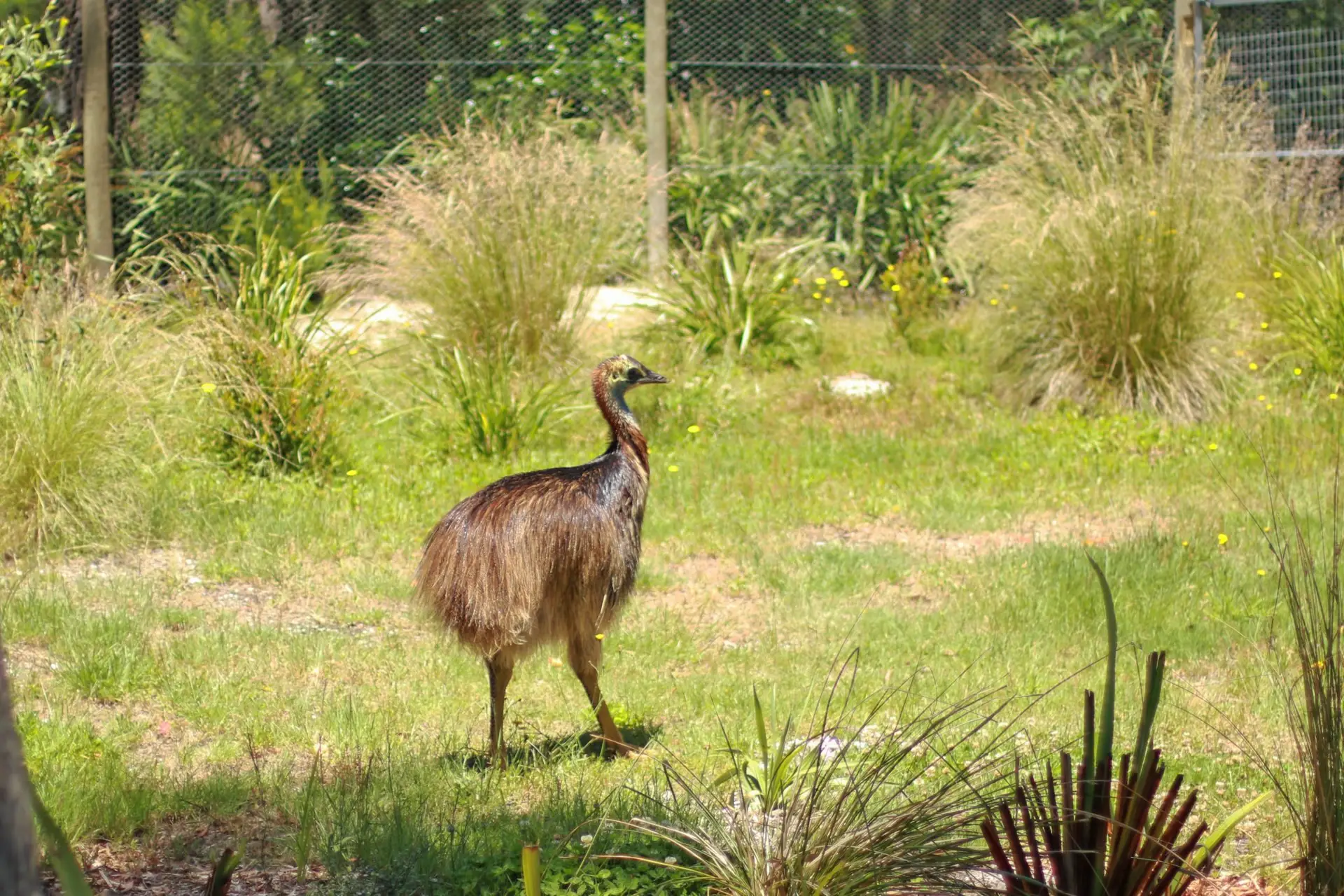
Standing up to 2 m tall, adult male emus are Australia's largest birds. In size, they are second only to ostriches in the world. Their powerful legs give them great speed, some running up to 50 km per hour. At full pace, an emus stride can measure up to 3 m. The emu’s tracheal pouch, which is part of its windpipe, is used for communication. It is over 30 cm long and very thin-walled, and it allows the bird to produce deep guttural grunts. This pouch develops fully during the breeding season and is most frequently used during courtship. Emus do not have the option of flying away if under attack from predators. If attacked from above by other birds such as the wedge-tailed eagle, emus will run in a zigzag pattern. However, at close quarters their main defence is a swift kick or two with their powerful legs.

DEVELOPMENT:

As courtship begins, the female emu’s plumage becomes slightly darker. When she finds a partner, the two of them will build a nest of trampled grass in open or lightly-covered country. A clutch of dark green eggs (usually between 5 and 20) is laid in May or June. The female then leaves the nest area, after which she shows no more interest in her eggs or partner. She may simply wander off to join a group of non-breeding birds, or she may find another mate and lay again. The male incubates the eggs for eight to ten weeks. He seldom leaves the eggs during this period, and can lose a considerable amount of weight. He waits until they are all hatched before he and his chicks leave the nest site. The young emus can remain with their father for up to two years. They become sexually mature at about 18 months of age.

DESCRIPTION:

The emu’s feathers are very primitive and look like a form of coarse hair. The special nature of these feathers enables emus to cope with extreme changes in weather.